I understand why large equipement is expensive. A BioRad pentaplex Q-RT-PCR thermocycler system costing $35,000 makes sense given how complex and sensitive it is. A -80C freezer costing $5,000+ makes sense given the sheer amount of materials that go into making it. But it's not just the large equipment that's so expensive. Little, common, everyday scientific supplies are also quite expensive. And disproportionately so.
Fisherbrand sterile Petri dishes cost $0.30 each at list price, and they're really only good for a single use. Acros Organics yeast extract is ~$250/kg at list price. My favorite general dissection scalpel blades (No. 22s), also only good for one use, cost $165 for just 100 blades, and that's Fisherbrand*. Reusable Fisherbrand glass pipettes are $10 each. And sure, base cell culture media are cheap (500ml RPMI $13, 500ml DMEM $4), but when you factor in the cost of adding FBS (~$500/L) to make them complete the costs add up real quick.
In a consumer market these items wouldn't cost nearly so much. 100 straight razor blades, a similar amount and grade of metal as scalpels, cost $9 on Amazon. Fleischman's yeast is $17/kg. Yes, these aren't the same exact products. They aren't specifically made for science, but they are made of similar types and quantities of materials. Does standardization of research supplies really command a 500%+ markup in price? Is the quality really that different?
This adds up to another barrier to entering biomedical research as an amateur, hobbyist, or newly minted PI. Daily disposables cost a busy lab so much money that they can quickly eat through large grants. The thing is, though, is that we're more or less at the mercy of the companies providing these products when they choose their prices. We are a small niche market, and as such the specialization of any product to fit our needs as researchers is going to cost much more than it otherwise would in a larger market.
There are 2 possible solutions to this:
1) More people need to start using scientific supplies for other uses. This will increase competition between Fisherbrand, Denville Scientific, and VWR and force them all to lower their prices. Erlenmeyer flasks are heat stable, so why not use a 2L flask to make pasta at home? Borosilicated tall beakers run about $6 each, and have the advantage of being able to measure the components of your mixed drink in milliliters. If you're worried about your weight, try the Petri dish diet, where you only get to eat a Petri dish's worth of any given food in the space of an hour, so long as that food is not lard of deep-fried chicken skin. I, for one, think that a 10ml glass pipette would make a handy
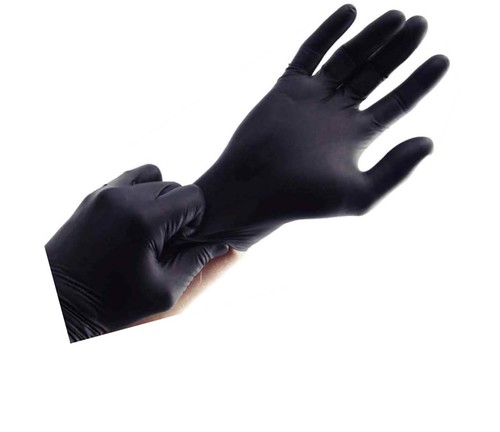
2) Conglomerate negotiations. The MRU I work at has so many labs that each department has a supplies and ordering coordinator who negotiates special permanant discounts for all supplies needed. With this, the $0.30/Petri dish above becomes $0.10 per. Our black nitrile gloves (what else would a Mad Scientist wear?) cost about $0.01 each rather than the $0.05 listed. In short, the ordering coordinator uses the weight of the institution's aggregated lab purchasing parity to reduce costs across the board.
However, this option isn't really available to individuals, informal groups, or SLACS. Once again raising the costs of admission to basic science.
The high costs of science also don't do much to charm the public when they resent how their tax dollars are being spent (although I really think they should be looking far more angrily to the five-sided building than to ivory towers).
And, finally, a broader question: Do industry labs pay full cost for supplies or do they also negotiate price breaks?


 Posts
Posts